The Shack: Aldo Leopold and the Sauk County Weekends That Wrote American Conservation
A worn-out farm up the Wisconsin River, bought for weekends, became the birthplace of the modern land ethic — and a pilgrimage site for conservationists worldwide.
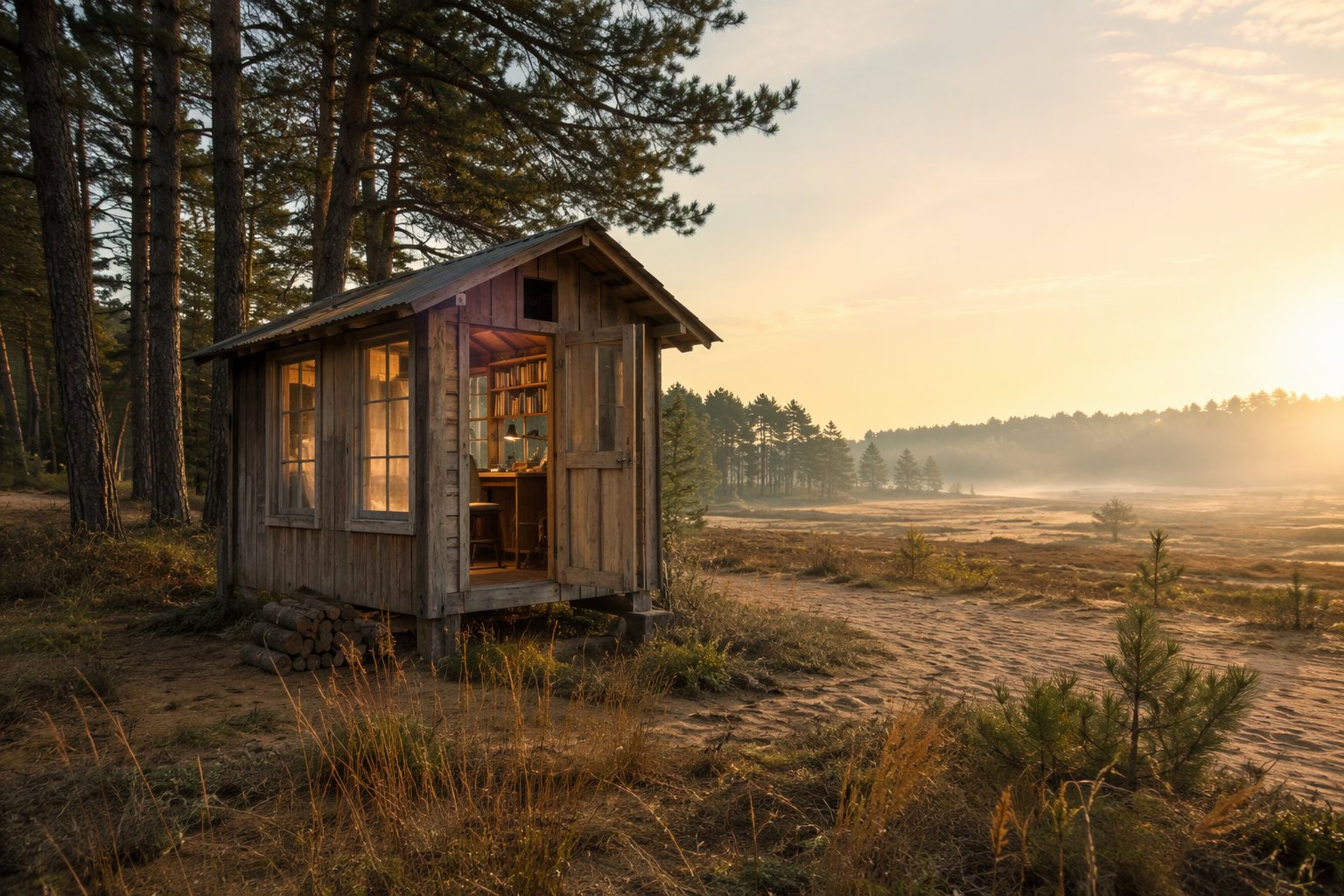
In 1935, a UW-Madison professor bought a played-out, eroded farm on the Wisconsin River in Sauk County as a weekend place. The chicken coop on the property — converted into a bunkhouse his family called 'the shack' — became the most famous modest building in American conservation.
Aldo Leopold was already a giant in his field when he bought the farm. A Yale-trained forester, he had helped create America's first wilderness area in New Mexico, pioneered game management as a discipline, and in 1933 taken a UW chair that made him the nation's first professor of wildlife management.
The shack weekends were his laboratory and his joy. The family planted thousands of pines, restored prairie, and kept meticulous journals of what bloomed, hatched and returned — the raw material of the essays that became 'A Sand County Almanac.'
A worn-out Sauk County farm became the birthplace of the land ethic — and conservation's most famous chicken coop.
The book, published in 1949 — a year after Leopold died of a heart attack while fighting a grass fire on a neighbor's property — sold slowly at first, then became scripture. Its capstone essay, 'The Land Ethic,' argued that land is a community to which we belong, not a commodity we own. It has now sold millions of copies in a dozen languages.
The shack and farm are preserved by the Aldo Leopold Foundation, and the surrounding Leopold-Pine Island Important Bird Area and nearby Aldo Leopold Shack and Farm National Historic Landmark draw conservation pilgrims from around the world.
Leopold's Wisconsin is still readable in the landscape he loved — the sand counties, the river bottoms, the crane marshes. 'There are some who can live without wild things,' he wrote, 'and some who cannot.' Wisconsin, largely because of him, knows which kind of state it wants to be.