Every Friday, Same Time: The Deep Roots of the Wisconsin Fish Fry
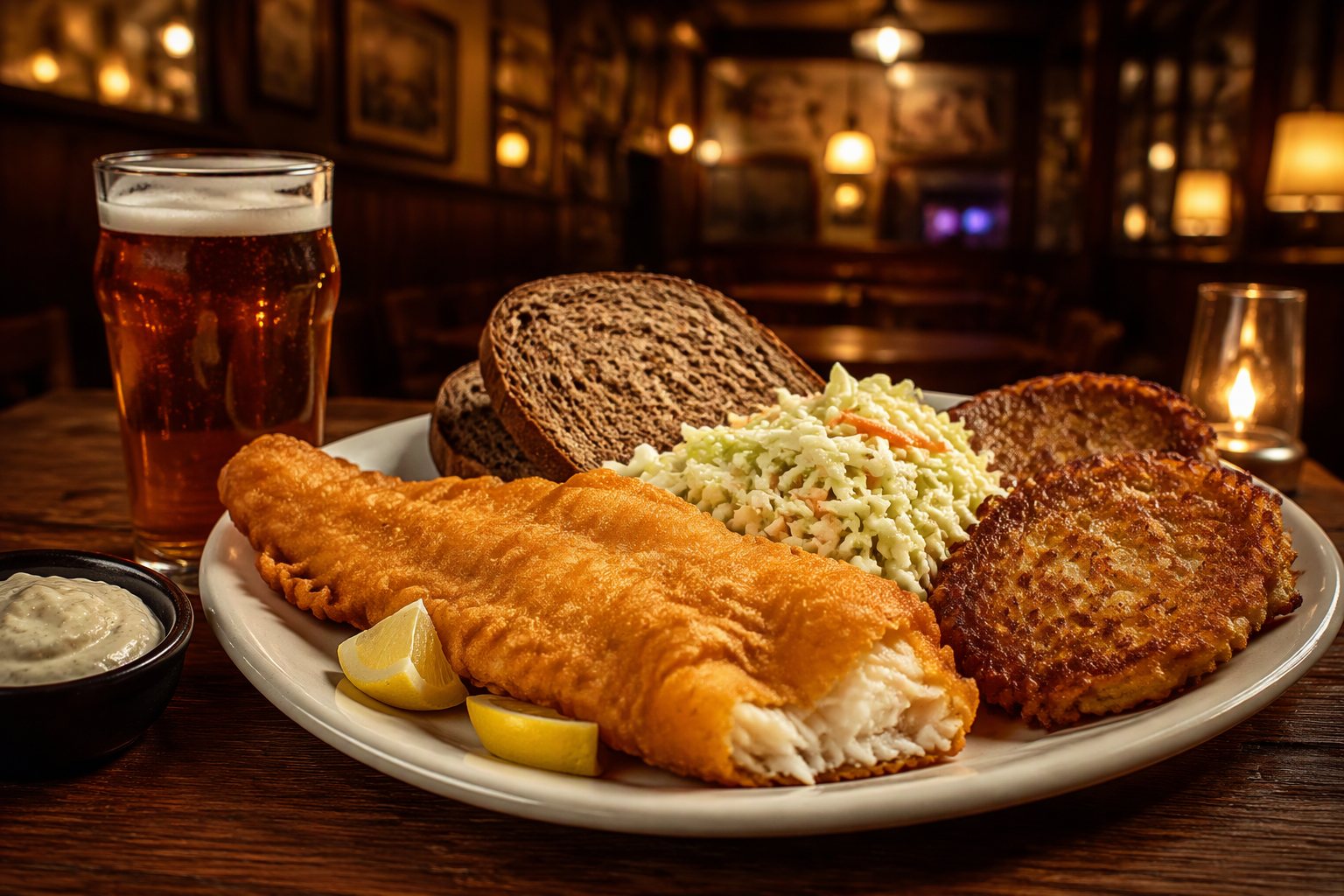
Cod, perch or bluegill; potato pancakes or fries; coleslaw and rye. The Friday fish fry is Wisconsin's most beloved weekly ritual — and its origins run deeper than Lent.
At 5 p.m. on any Friday, from the smallest northwoods tavern to the busiest Madison restaurant, Wisconsin performs its most reliable weekly ritual. The fryers heat, the cod goes in the beer batter, and the fish fry begins.
The roots are braided. Catholic teaching against Friday meat met a state full of German and Polish Catholic immigrants; Prohibition met taverns that needed to sell food to survive; and the Great Lakes met a commercial fishery that could supply perch and whitefish by the barrel.
By the mid-20th century the elements had fused into the standard plate: beer-battered cod or lake perch — bluegill if you're lucky — with potato (pancakes for the faithful, fries for the rest), coleslaw, rye bread and tartar sauce. Variations are regional and defended accordingly.
The fish fry was never really about fish. It's the standing date — end of the week, same faces, same order.
The fish fry turned out to be one of Wisconsin's great secular ecumenical institutions: observed by Catholics and Lutherans alike, in church basements during Lent and in supper clubs every other week of the year, by families who have kept the same Friday table for three generations.
Madison holds its own. The city and its ring of villages support dozens of serious fish fries — from lakeside taverns serving Wisconsin-caught perch to downtown kitchens doing walleye with cheffy sides — and Friday wait times remain the surest sign of a place worth eating.
The ritual survives because it was never really about fish. It's the standing date — end of the work week, same faces, same order — that a state of tavern people built into a cuisine. See you Friday.