Iowa Lead Azide Blast Slips to Monday, and Wisconsin Is Told It Has Nothing to Fear
*The Army plans to detonate 68 barrels of degraded explosives at its Middletown, Iowa, plant as early as Monday. State emergency officials say the plume should stay well south of Wisconsin.*
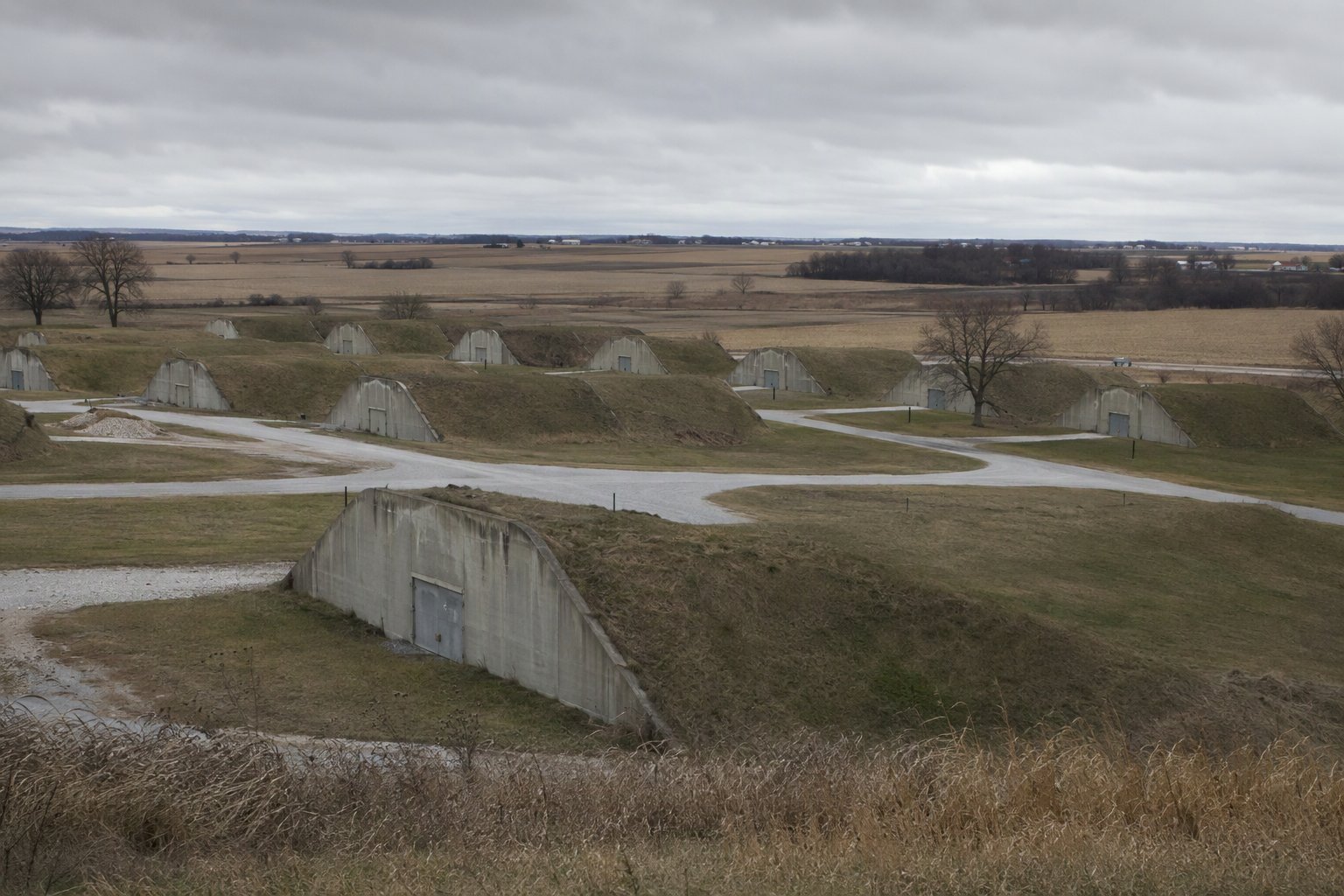
Wisconsin emergency officials say the state faces no identified impacts from the Army's plan to detonate 68 barrels of degraded lead azide at the Iowa Army Ammunition Plant in Middletown, Iowa, a blast postponed from Friday to Monday, Nov. 23, after regional outcry and a federal court stay.
The detonation was originally set for noon Friday but was pushed back after residents and officials across the upper Midwest said they had too little notice. The Eighth Circuit Court of Appeals separately granted an administrative stay of the Environmental Protection Agency's emergency permit while it considers lawsuits filed by environmental groups, according to ReadyWisconsin.
"Based on current official U.S. Army modeling and public advisory information, there are no identified impacts to Wisconsin," the state's emergency management agency said in a release Friday, adding that official impact areas remain focused near the site in southeastern Iowa. Updated federal projections were expected over the weekend.
There are no identified impacts to Wisconsin.
The agency also warned that unofficial and AI-generated maps circulating online depict far broader impacts, including Wisconsin, and urged residents to rely on Army and EPA information. A Wisconsin Department of Natural Resources spokesperson told the Milwaukee Journal Sentinel that impacts were not expected outside Iowa.
Middletown sits about 170 miles southwest of Cuba City and 190 miles southwest of Prairie du Chien. If the blast occurs Monday, a weekend cold front should bring winds from the north, pushing any dust away from Wisconsin, said Connor DeLaune, a National Weather Service meteorologist in Davenport, Iowa.
Lead azide, the primary explosive used to initiate munitions, recrystallized during more than two decades in storage, becoming so sensitive to friction and shock that the Army concluded destroying it in place was the only safe option. Acting Secretary of the Army Adam Telle said Monday is the "latest possible moment" before colder temperatures risk further destabilizing the material.
Tracey Holloway, a UW–Madison professor of environmental studies and atmospheric sciences, told the Journal Sentinel the plume's ultimate path will depend on wind speed and direction, how much material is released and how high it rises. The Army has said it will issue a final estimate of the impacted area after the detonation.