Madison's Second Economy: How Research Park Made the City a Biotech Hub
University Research Park, founded in 1984, turned UW science into hundreds of companies — and gave Madison an industry that has nothing to do with the Capitol.
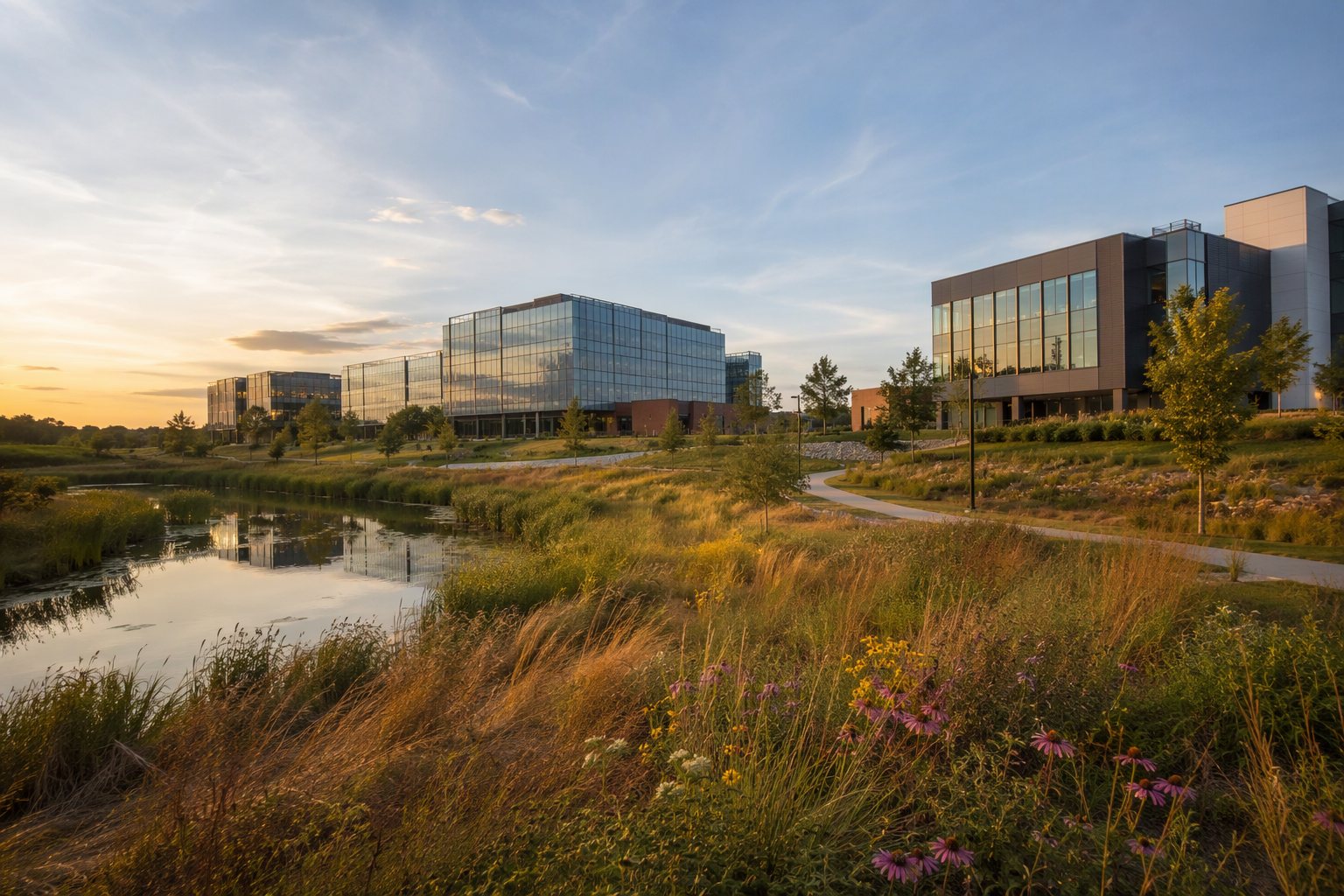
Madison is famous as a government town and a college town. Its third economy — biotechnology — is quieter, but it fills the labs and office parks along Mineral Point Road with thousands of scientists.
The engine is UW-Madison, one of the nation's top research universities, spending well over a billion dollars a year on research. The question for decades was how to keep the discoveries — and the companies born from them — in Wisconsin.
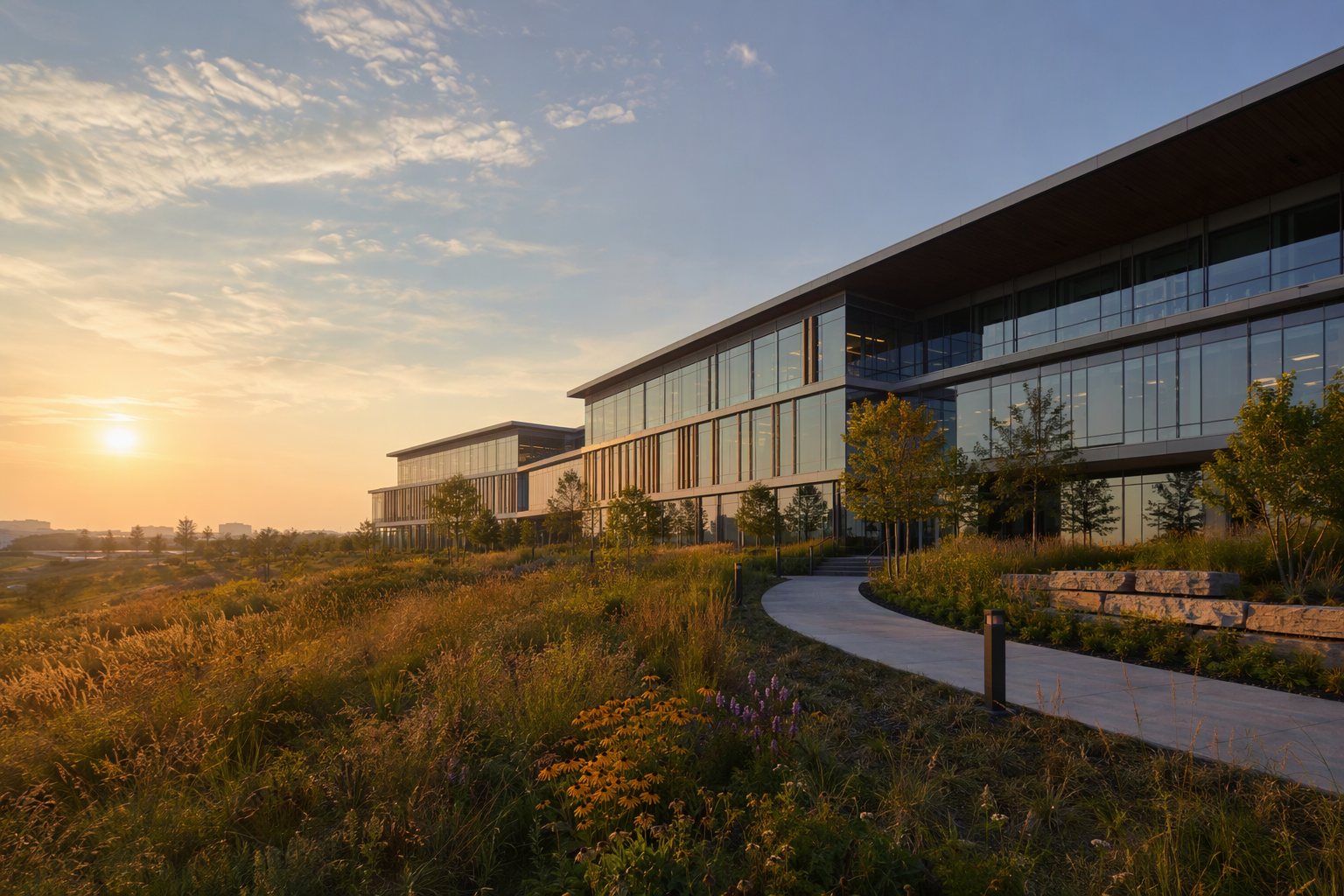
The answer, starting in 1984, was University Research Park: a purpose-built campus on Madison's west side where university spinoffs could rent lab space steps from campus. Its early tenants read like the origin story of Wisconsin biotech, and its success spawned a second campus and imitators statewide.
University Research Park turned UW science into hundreds of companies — and gave Madison a third economy.
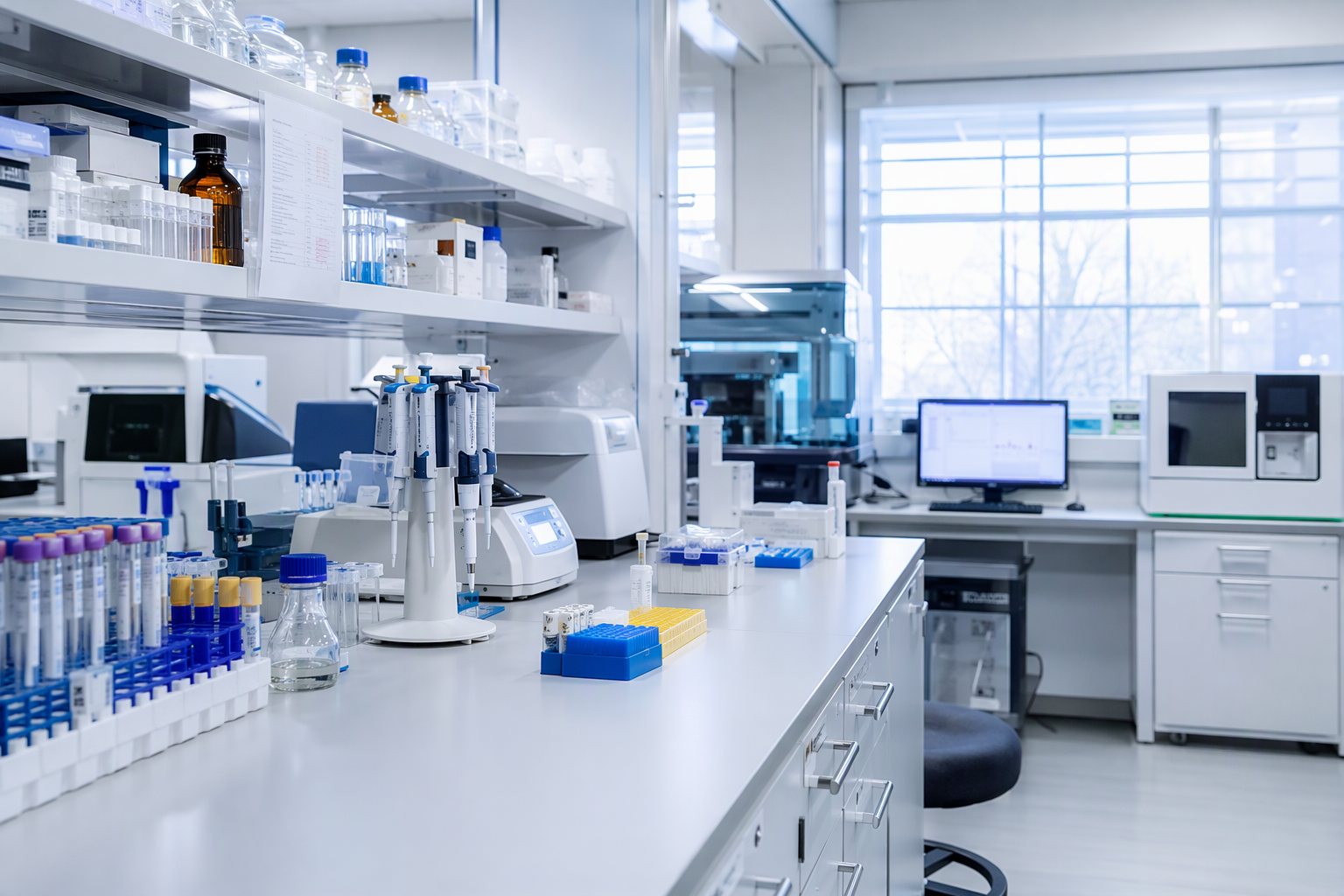
The model worked. Madison-area companies have grown from UW science into drug developers, diagnostics firms, medical-device makers and research suppliers. Promega in Fitchburg became a global life-science supplier; Exact Sciences turned screening science into a national company; and dozens of younger startups fill the pipeline behind them.
The sector now employs thousands in Dane County at salaries well above the regional average, and it has reshaped west Madison's landscape — prairie-restored campuses, incubator labs, and a steady churn of venture-backed startups.
Challenges persist — Madison still loses some promising companies to the coasts, and lab space runs chronically short — but the trajectory is set. The city that runs Wisconsin's government has built, alongside it, one of the Midwest's most durable science economies.