America's Little Switzerland: New Glarus at 180
Founded by emigrants from the canton of Glarus in 1845, this Green County village bet its future on being Swiss — and the bet is still paying off.
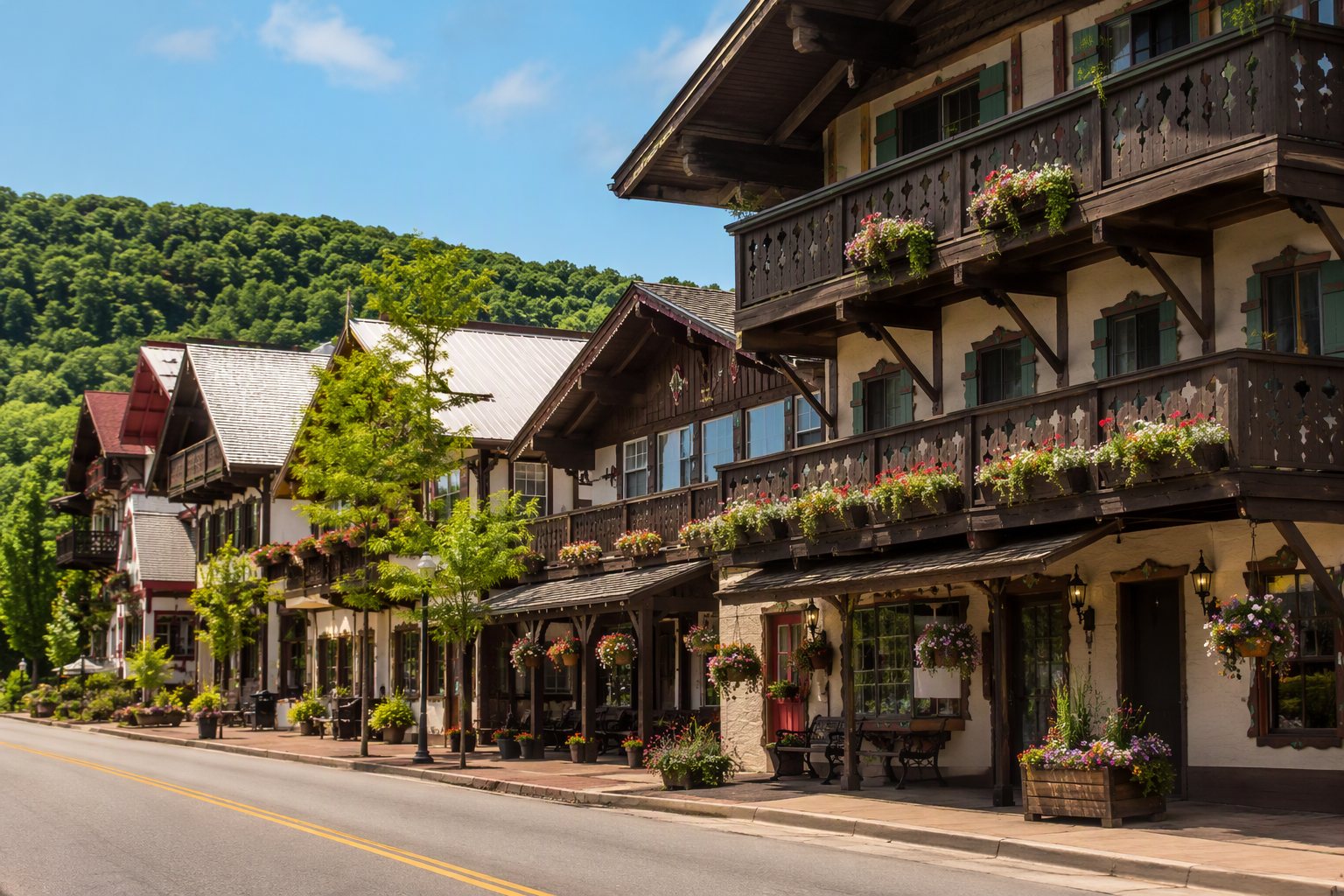
Twenty-five miles southwest of Madison, the road drops into a valley where the flags are white crosses on red, the buildings wear carved balconies and flower boxes, and the bakery sells zopf on Fridays. This is New Glarus — America's Little Switzerland.
The village was founded in 1845 by 108 emigrants from the impoverished Swiss canton of Glarus, dispatched by their home communities to find new land in America. The Green County valley they chose reminded them of home — and they proceeded to make it more so.
For a century, New Glarus was simply a Swiss-American farm village: cheese factories, German-language church services, alphorns at festivals. The famous bet came in the mid-20th century, when local leaders decided to lean into the heritage deliberately, adopting Swiss chalet building codes for the downtown and building festivals around the culture.
The village bet its future on being Swiss — and the bet is still paying off 180 years later.
It worked beyond anyone's imagining. New Glarus became one of Wisconsin's signature small-town destinations — the Wilhelm Tell Festival each Labor Day weekend (running since 1938), the Heidi Festival, Polkafest, a Swiss historical village museum, and a downtown where the bakeries, butcher shops and the New Glarus Hotel anchor a genuine food scene.
The economy got a second engine in 1993 when Dan and Deb Carey founded New Glarus Brewing Company — makers of Spotted Cow, the ale that is legally sold only in Wisconsin and has become the state's unofficial beer. The hilltop brewery is now one of the most-visited craft breweries in America.
The result is a village of about 2,300 people that feels both preserved and alive — Swiss enough that Swiss television crews visit, Wisconsin enough that the Friday fish fry is sacred. For Madisonians, it remains the perfect half-day escape.