Supreme Court Hears Assault Weapons Cases Wednesday, With Sandy Hook at the Center
The justices take up bans on AR-15-style rifles from Connecticut and Cook County — the court's biggest gun fight since it expanded Second Amendment rights in 2022.
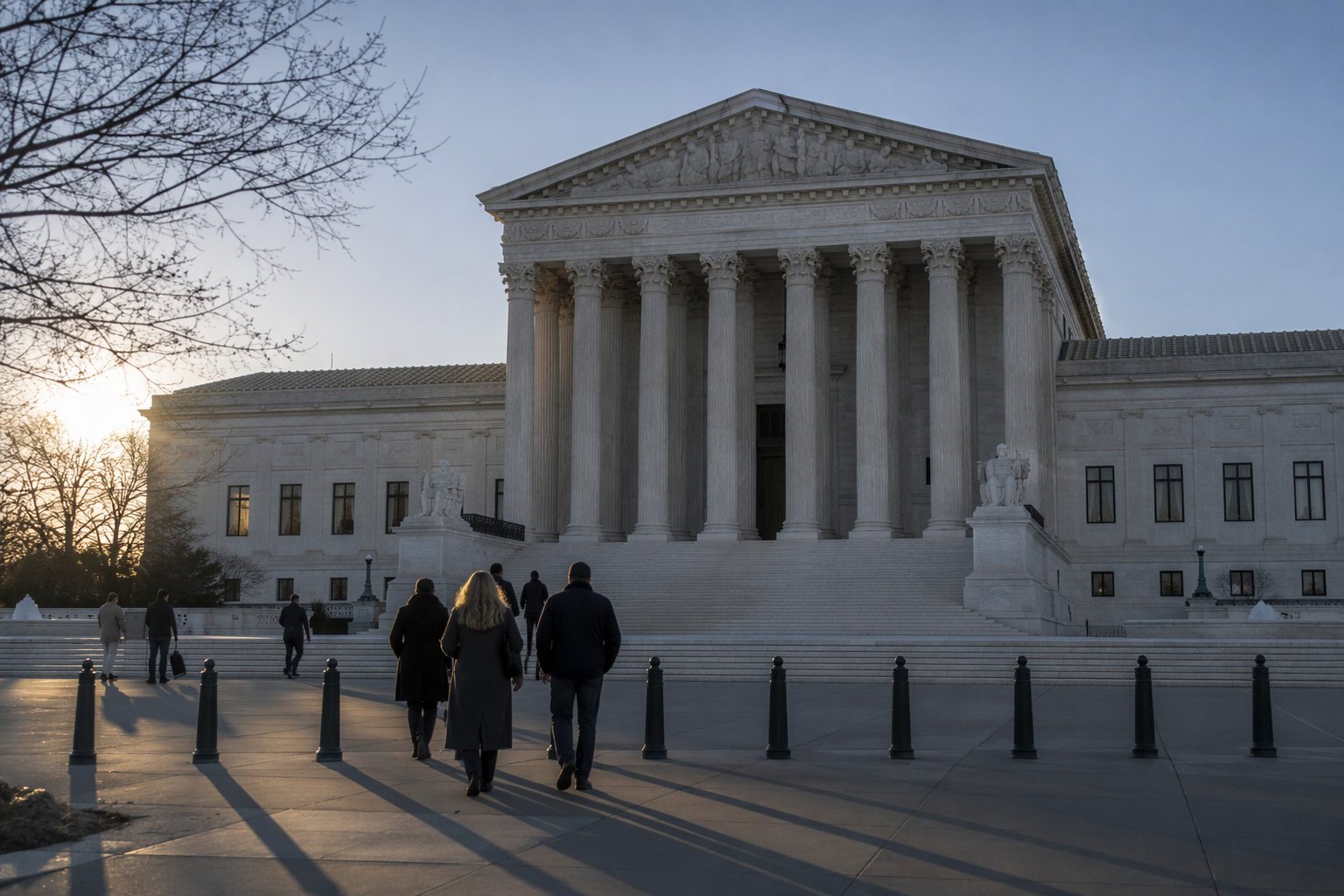
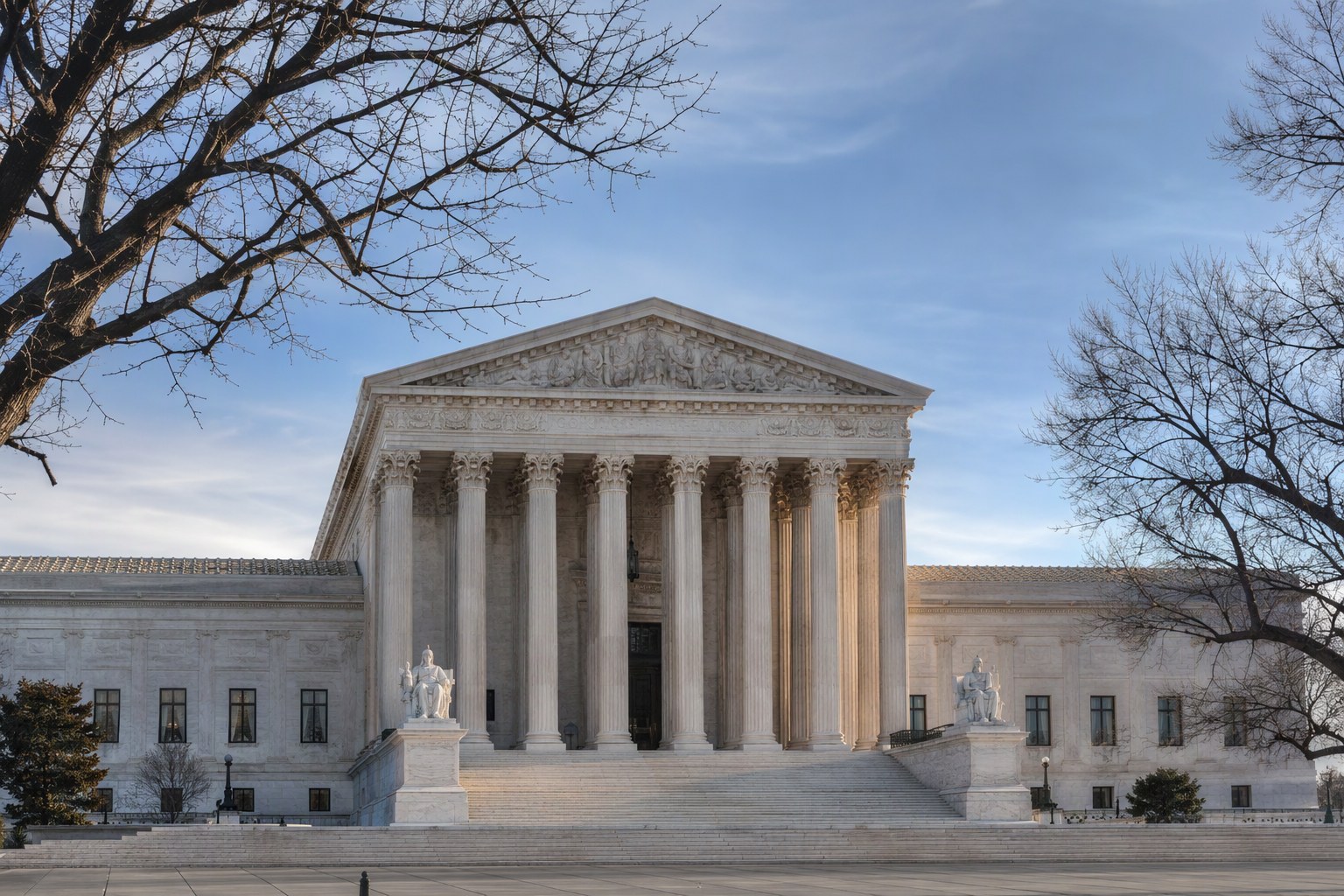
The Supreme Court on Wednesday will hear arguments in a pair of cases challenging bans on AR-15-style semiautomatic rifles in Connecticut and Cook County, Illinois — a showdown over the Second Amendment shadowed from the start by the 2012 massacre at Sandy Hook Elementary School.
The justices will hear the consolidated cases Viramontes v. Cook County and Grant v. Higgins on Dec. 2, according to The Associated Press. The court agreed to take both appeals on June 30, setting up its most consequential gun case since the 2022 Bruen decision expanded Second Amendment rights.
Connecticut's ban was enacted in 2013, months after a gunman with an AR-15-style rifle killed 20 children and six educators at Sandy Hook Elementary in under five minutes. Cook County's ordinance, named for a slain Chicago teenager, dates to 1993. Similar laws are on the books in about a dozen states; Congress let a national ban expire in 2004.
“Solving or at least mitigating school shootings is not about banning a type of gun,” the Second Amendment Foundation's Konstadinos Moros told the AP.
Both laws survived the lower courts. The Seventh Circuit upheld Cook County's ban, reasoning that AR-style rifles are not materially different from military M16s. The Second Circuit upheld Connecticut's law as consistent with the nation's historical tradition of regulating unusually dangerous weapons, the test Bruen requires.
The Sandy Hook families entered the case directly in late October, when the parents of five slain first-graders and relatives of one educator filed a friend-of-the-court brief calling the rifle's lethality “unusual and extreme,” the CT Mirror reported. More than 40 other people and groups filed briefs the same day, most supporting the bans.
Gun-rights groups counter that semiautomatic rifles are owned legally by millions of Americans and cannot be banned as dangerous and unusual. “Solving or at least mitigating school shootings is not about banning a type of gun,” Konstadinos Moros of the Second Amendment Foundation, a plaintiff in both challenges, told the AP.
The court typically decides its argued cases by the end of its term in early summer. Whatever the outcome, the ruling will reach far beyond the two laws at issue, touching every state and city that has restricted the rifles since Sandy Hook.