The Summer That Decided Wisconsin: The Black Hawk War of 1832
A hungry band of Sauk families, a panicked frontier, and a pursuit across the future state that ended at the Mississippi — and opened Wisconsin to settlement.
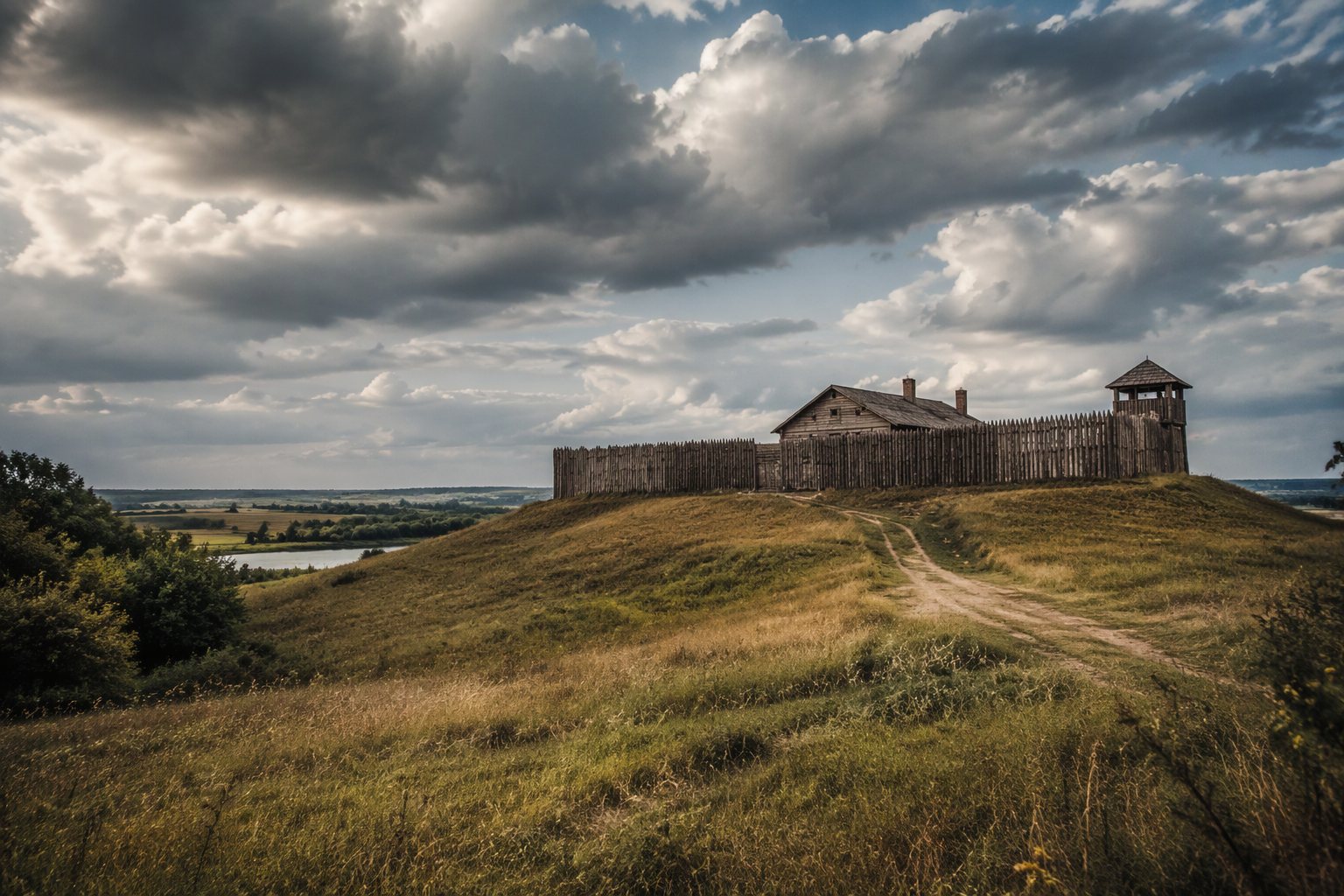
In April 1832, a Sauk leader named Black Hawk led about a thousand followers — many of them women, children and elders — back across the Mississippi into Illinois, hoping to plant corn on land they had been pressured to leave. By August, the attempt had ended in tragedy at the river's edge, and the map of the upper Midwest had changed forever.
Black Hawk's band, known to history as the British Band, crossed the river not to make war but to grow food, after years of hunger and disputed treaties. Illinois called out its militia anyway. What followed was a five-month chase through the lead-mining country of what is now northwestern Illinois and southern Wisconsin.
The pursuit cut across Dane County. Militia and regular army troops — including a young Abraham Lincoln in the Illinois militia and a career officer named Zachary Taylor — chased Black Hawk's band through the Four Lakes region. A skirmish at what is now called Lake Kegonsa gave the conflict its local name, and the marker known as Black Hawk's lookout traditions persist in local place names.
The Black Hawk War was the violent hinge between two Wisconsins — and the pursuit cut straight through Dane County.
Starving and exhausted, the band made for the Mississippi. On August 1 and 2, 1832, soldiers and a steamboat-mounted gun caught them at the Bad Axe River in present-day Vernon County. Hundreds were killed as they tried to swim the river; many of those who crossed were later killed or captured by Sioux allies of the government.
The war's end opened the floodgates. Forced cessions that followed stripped the Sauk, Ho-Chunk and other nations of most of their remaining land in the region, and American settlement of southern Wisconsin surged. Wisconsin Territory was created just four years later, in 1836.
Today the route of the pursuit is commemorated by markers and parks, and historians treat the war less as a battle than as the violent hinge between two Wisconsins — the Indigenous world of the mound builders' descendants, and the settler state being surveyed behind the army.