Most Madison Property Crimes Go Unsolved. Police Say a New Detective Model Is Starting to Work
*Fewer than half of thefts and stolen-car cases are solved in a typical year, while homicide clearance rates hover near 80 percent. Chief John Patterson is betting specialized investigative teams — and rebuilt trust — can close the gap.*

Madison police have solved fewer than half of reported thefts and stolen-vehicle cases for most of the past decade, according to a Capital Times review of state crime data, even as homicide clearance rates hover near 80 percent. A year-old shift to specialized detective teams is showing early signs of changing that.
The department reported solving 67 of roughly 82 murder and nonnegligent manslaughter cases between 2015 and 2025 — an 82 percent rate under FBI reporting rules, the Cap Times found in data from the Wisconsin Department of Justice. Property crime is another story: fewer than half of thefts and burglaries are typically cleared, and fewer than one in five stolen-car and theft cases is solved.
Detectives previously worked cases geographically, by patrol district. The department began specializing in 2015 with burglary and violent-crime teams, added a crimes-against-children unit in 2017, and completed the switch to crime-specific teams last year. Chief John Patterson said the change was made explicitly to raise solve rates.
Without our community trust, I mean our public safety crumbles, frankly.
There is early evidence for it. Burglary clearance rates sat below 10 percent for years, then began climbing in 2022 and reached 24 percent last year. Solve rates for rape rose from 28 percent in 2014 to as high as 63 percent before settling near 40 percent last year — gains Patterson and Detective Lt. Glenn Davis attribute to specialized teams, better training and partnerships such as the RCC Sexual Violence Resource Center.
Staffing remains the binding constraint. The department, the city's best-funded agency at roughly $103 million a year with about 600 employees, fields about 300 patrol officers but only 67 detectives, each carrying 45 to 50 cases a year, according to Assistant Chief Angie Kamoske. The property unit alone had nearly 400 burglaries to work last year, alongside roughly 4,800 thefts.
Money will not loosen soon. Mayor Satya Rhodes-Conway asked city agencies to identify about 2 percent in cuts for next year — about $2 million for police — and the council on November 10 unanimously approved a roughly $104 million police budget that largely holds staffing flat, adding two positions tied to the rollout of body-worn cameras.
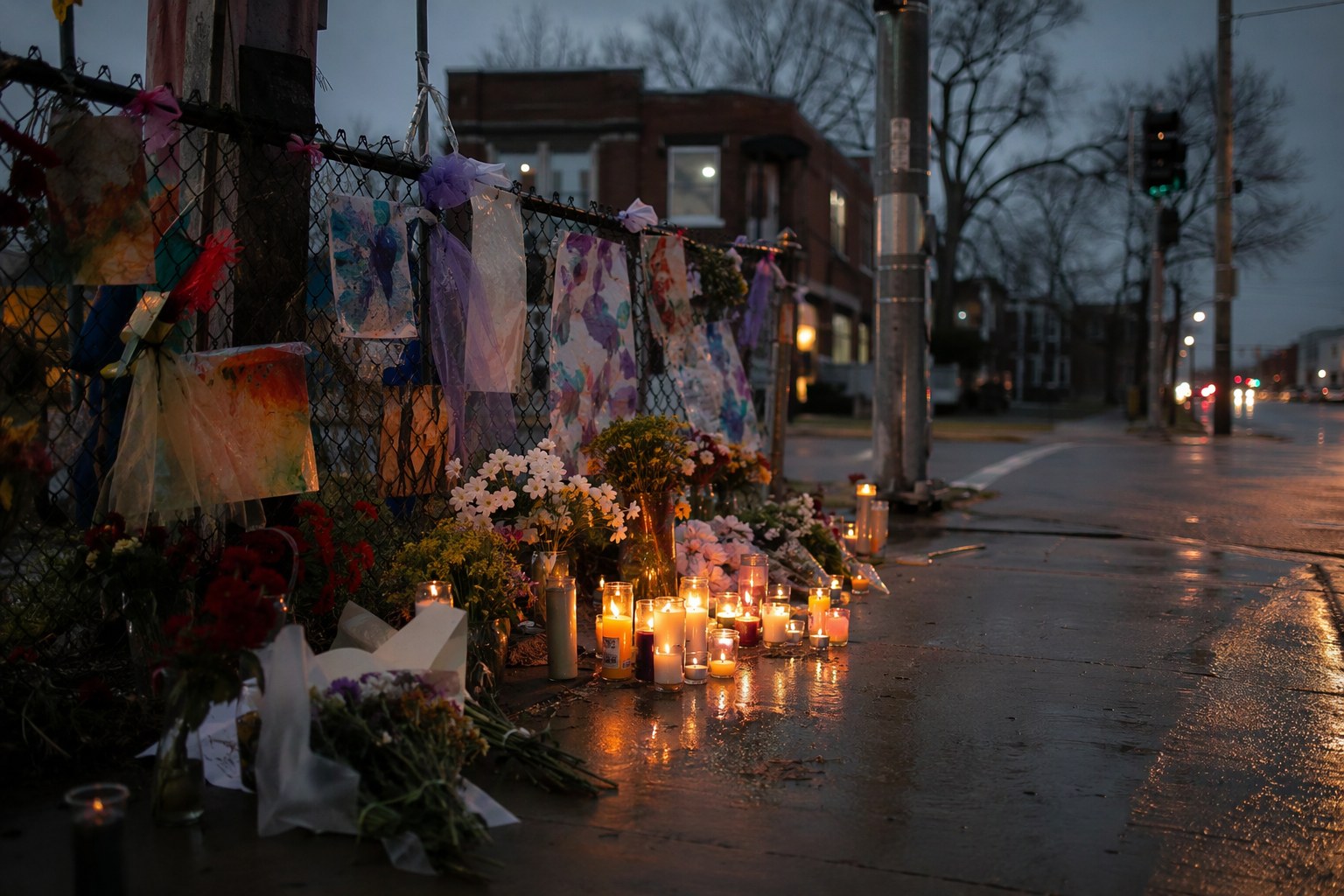
The harder variable, Patterson said, is trust, strained since an officer shot and killed Corey Ruiz in July. "Without our community trust, I mean our public safety crumbles, frankly," he told the Cap Times. Aeiramique Glass, the city's former independent police monitor, went further, citing a "complete breakdown in trust" and questioning whether proactive patrolling prevents more harm than it causes.
Former Chief Noble Wray, who led the department from 2004 to 2013, told the Cap Times that solve rates improve when residents believe in the department's character — and that the challenge is sustaining that belief through painful incidents. The department says a new Service Excellence and Outreach Section, launching next year, will focus on use of force, accountability and transparency.