From a Red Barn in Waterloo to the Tour de France: The Trek Story
Two entrepreneurs bet on American-made bicycles in a Jefferson County barn in 1976. Half a century later, Trek is one of the biggest bike brands on Earth — and still in Waterloo.
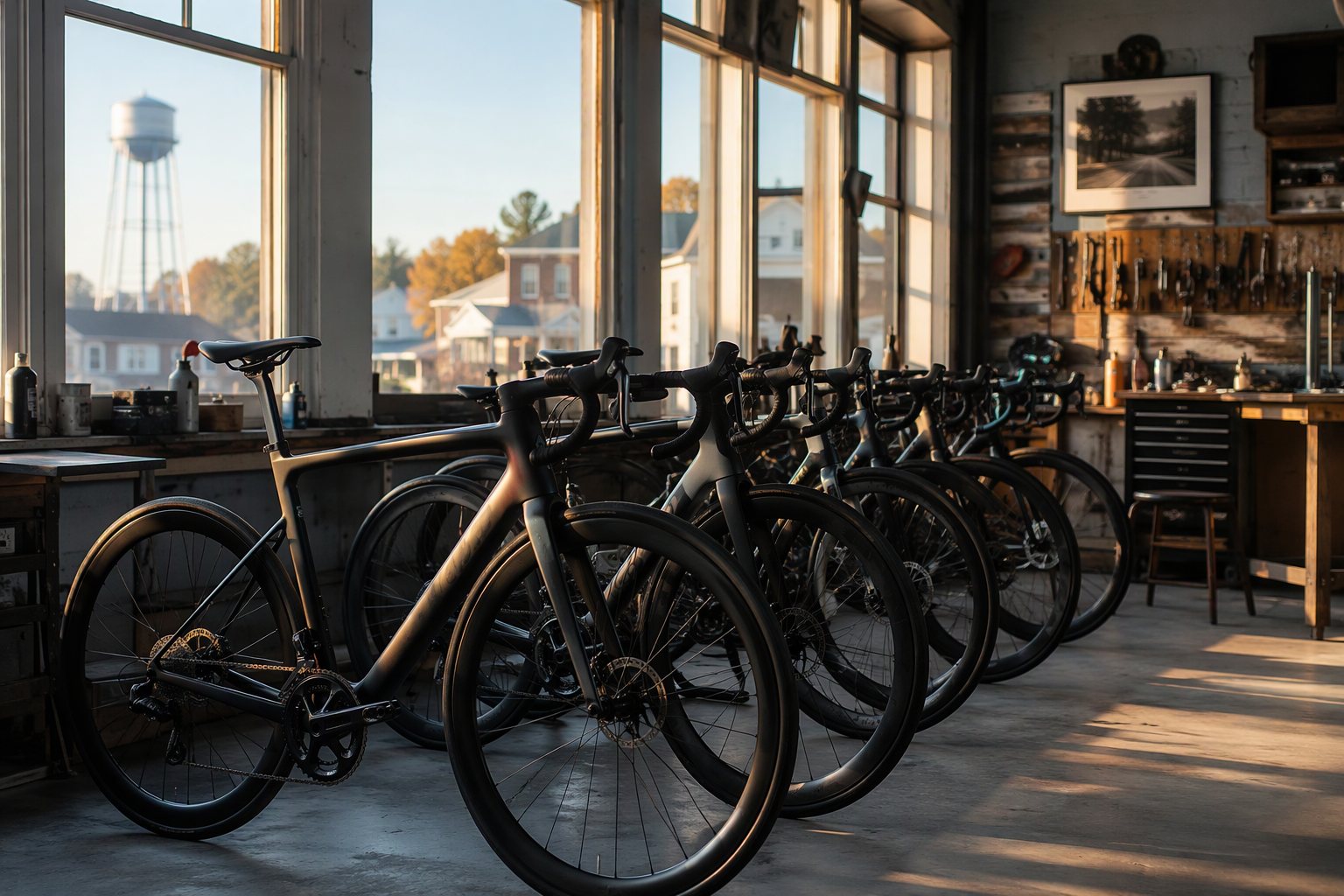
In 1976, in a red barn between Madison and Milwaukee, a small crew began brazing steel bicycle frames by hand. The company they started — Trek — would carry an American to seven Tour de France victories and become one of the largest bicycle manufacturers in the world.
Trek was founded by Richard Burke, a Milwaukee businessman, and Bevill Hogg, a Wisconsin native with bike-shop roots, at the height of America's 1970s bike boom. Their insight was that serious cyclists wanted better frames than the imports of the day offered — and that American craft could supply them.
The barn in Waterloo, a Jefferson County farm town of a few thousand people, became a factory, and the factory became a technology leader. Trek pioneered aerospace-grade aluminum and then carbon-fiber frames in the U.S., setting benchmarks the rest of the industry chased.
A barn in Waterloo, population 3,000, grew into one of the largest bicycle brands in the world.
The Lance Armstrong era made Trek a household name — his seven Tour de France titles were all won on Treks — and though those titles were later stripped in the sport's doping reckoning, the association had permanently established the brand at cycling's pinnacle.
Through industry convulsions — the move of mass production to Asia, the mountain-bike and e-bike booms, the pandemic bicycle shortage — Trek kept its headquarters, design and high-end manufacturing in Waterloo, where it remains the town's dominant employer.
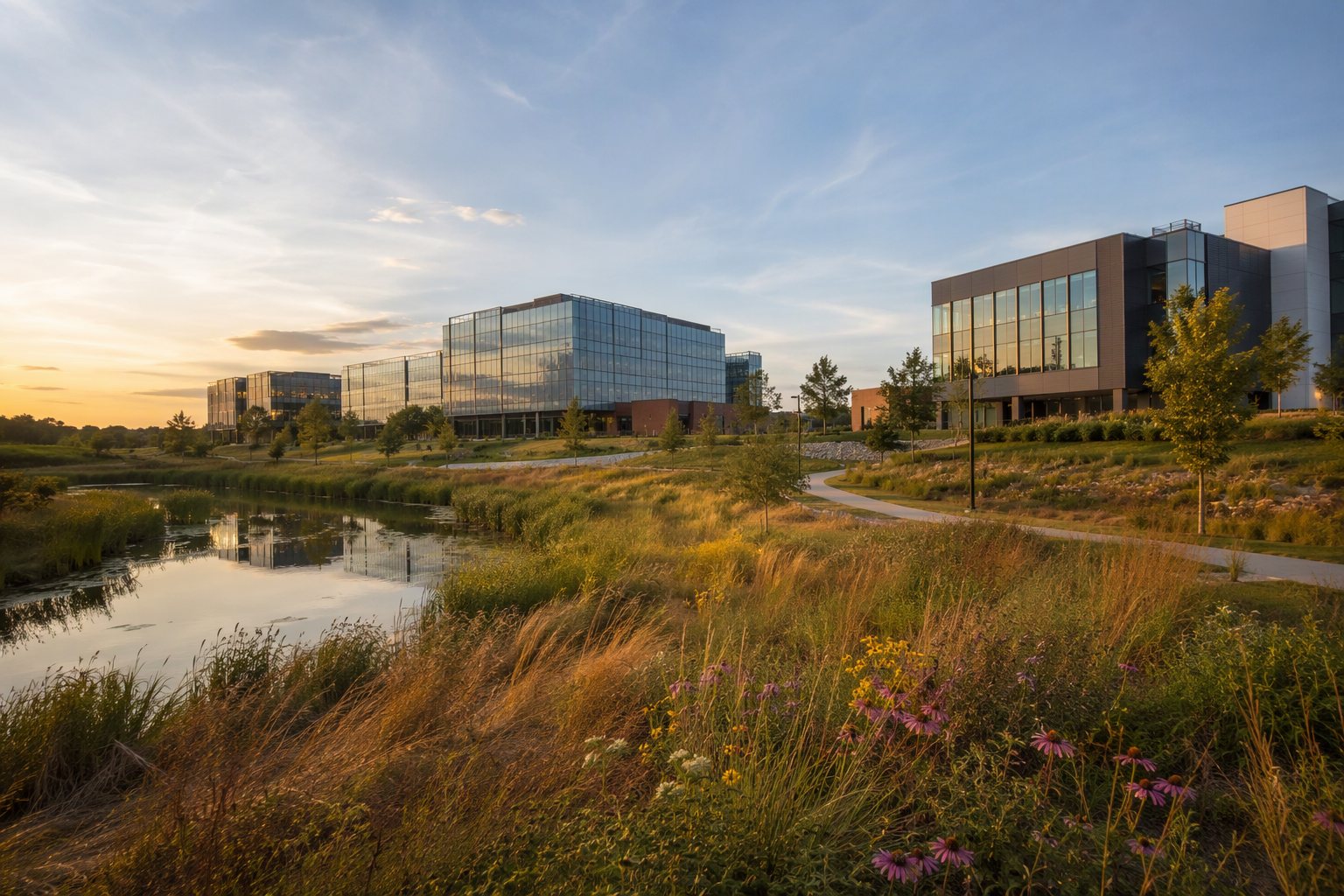
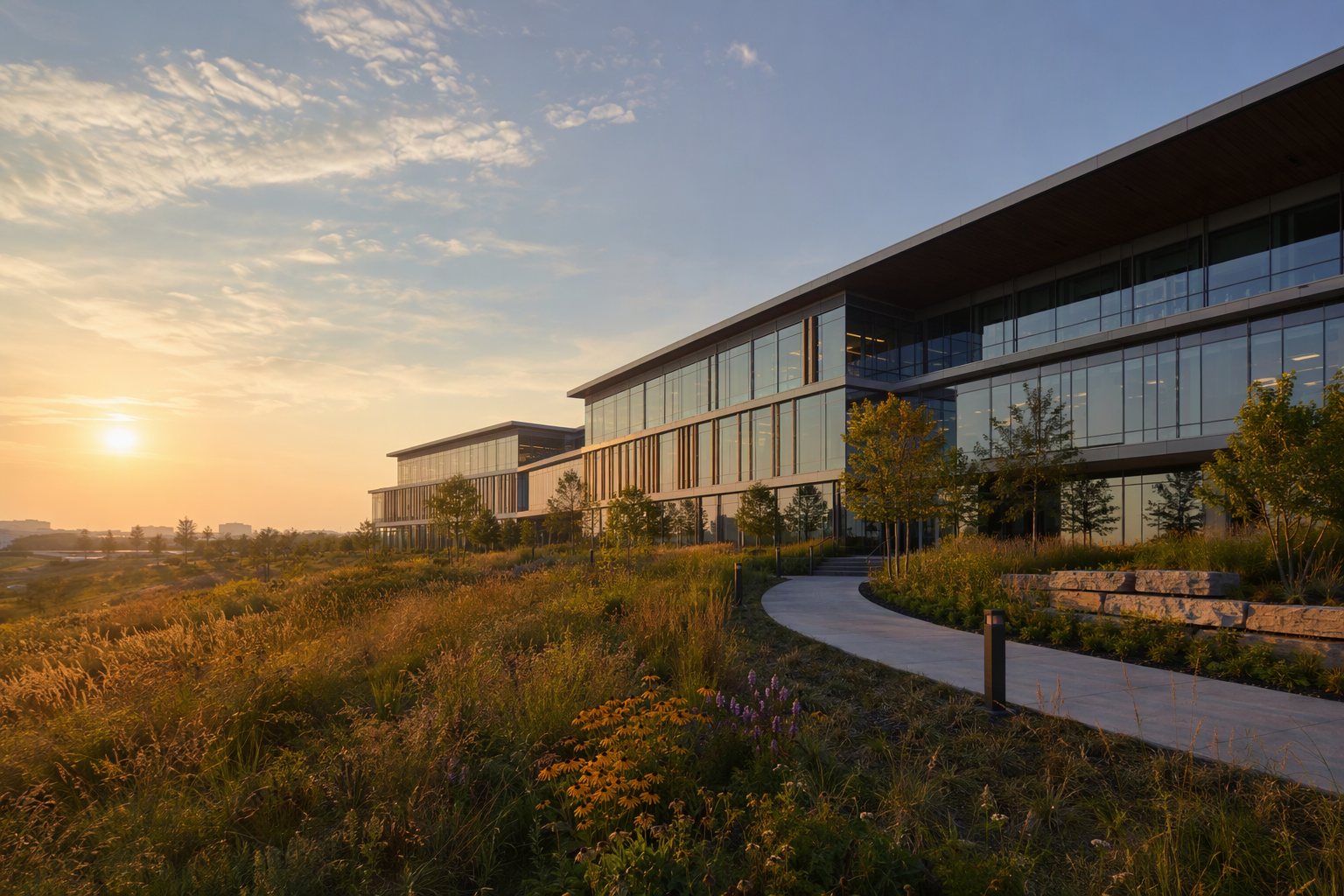
Today the barn is long gone, replaced by a sprawling campus, but the essentials hold: the family still owns the company, the roads around Waterloo still fill with test riders, and a Wisconsin farm town of 3,000 people still calls itself, plausibly, a world capital of the bicycle.