America's Dairyland, Explained: How Cheese Became Wisconsin's Identity
The state makes a quarter of America's cheese and more than 600 varieties — a legacy of glaciers, grain prices and a New York farm wife named Anne Pickett.
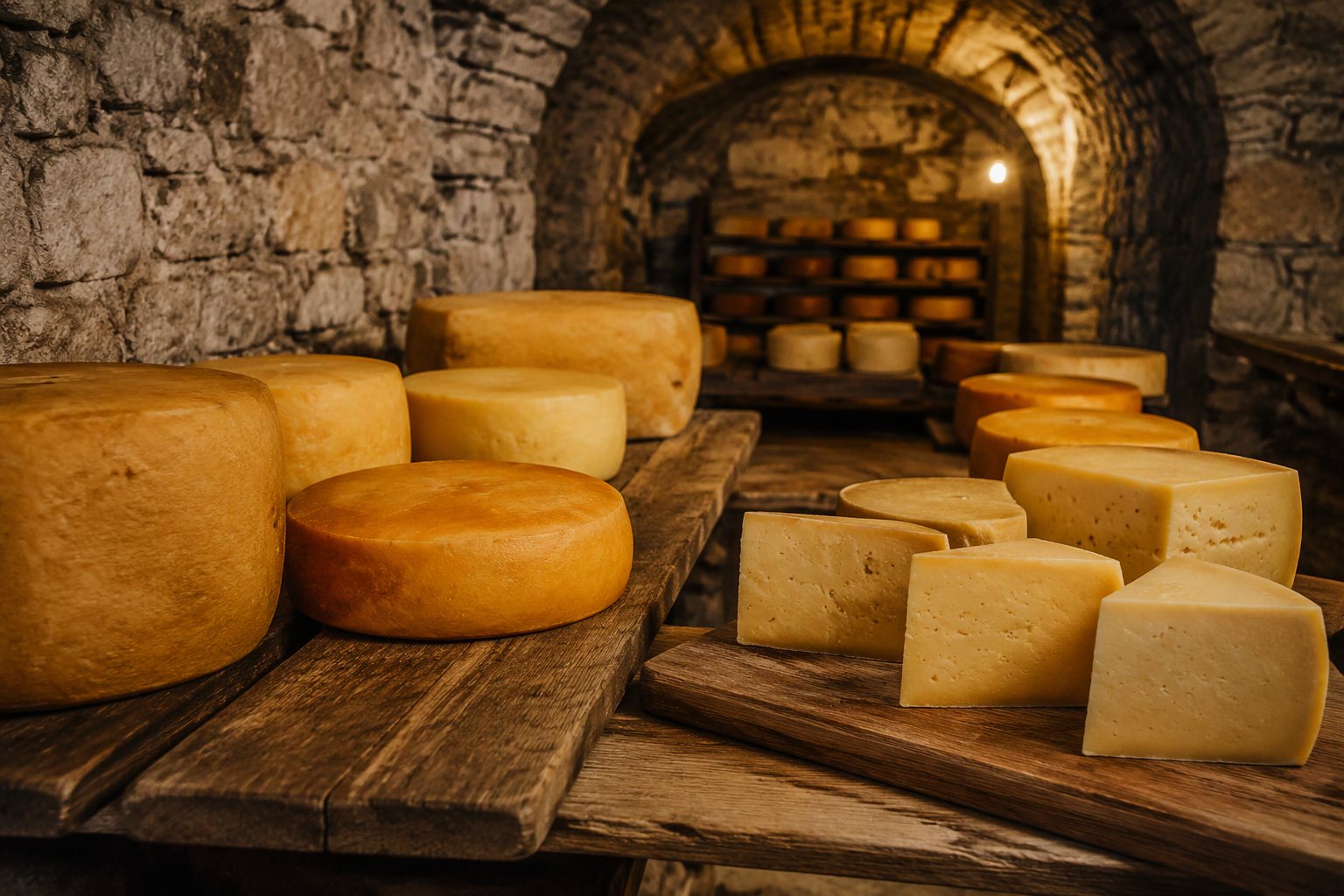
Wisconsin produces about a quarter of all the cheese made in the United States — more than three billion pounds a year — and if it were a country, it would rank among the largest cheese producers in the world. That didn't happen by accident.
The foundation was laid by geology: glaciers left behind rolling, well-watered land better suited to grass than to grain, and by the 1840s wheat was failing anyway, exhausted soil and cinch bugs pushing farmers toward dairy. The cows found the grass, and the grass made the milk.
The first commercial cheese factory in Wisconsin opened in 1864 near Ladoga in Fond du Lac County, run by Chester Hazen, and an 1841 cottage industry pioneered by farm wife Anne Pickett had already shown the way. Within decades, crossroads cheese factories dotted the state — thousands of them, turning perishable milk into a storable, shippable product.
Wisconsin makes a quarter of America's cheese — more than 600 varieties, and counting.
Immigrants made it diverse. Swiss settlers built the brick and Limburger traditions of Green County; Germans and Scandinavians spread across the dairy belt; later generations added Italian varieties as pizza conquered America. Today Wisconsin makers produce more than 600 types, styles and varieties of cheese.
The state's dominance is institutional as much as agricultural. Wisconsin is the only state that requires a license to make cheese, home to the Center for Dairy Research at UW-Madison, and to a master cheesemaker program modeled on European guilds that is unique in America.
The crossroads factories mostly vanished into consolidation, but their descendants — from giants like Sargento and BelGioioso to dozens of small artisan creameries — keep the identity current. The foam cheesehead hat is a joke, but the cheese underneath it never was.